

SHENZHEN – Huawei has officially shifted from defence to offence. At a high-profile launch event for its new tri-fold smartphone, the company publicly declared the return of its powerhouse Kirin silicon.. a move that signals a new era of confidence and confirms the complete, controllable independence of its domestic supply chain.
For the first time in four years, Huawei executive Yu Chengdong stood on stage and named the chip powering the new Mate XTs: the Kirin 9020, boasting a 36% performance increase over its predecessor.
The period of quiet rebuilding is over. The supply chain is stable, technology is advancing and Huawei is no longer hiding its capabilities to protect them.
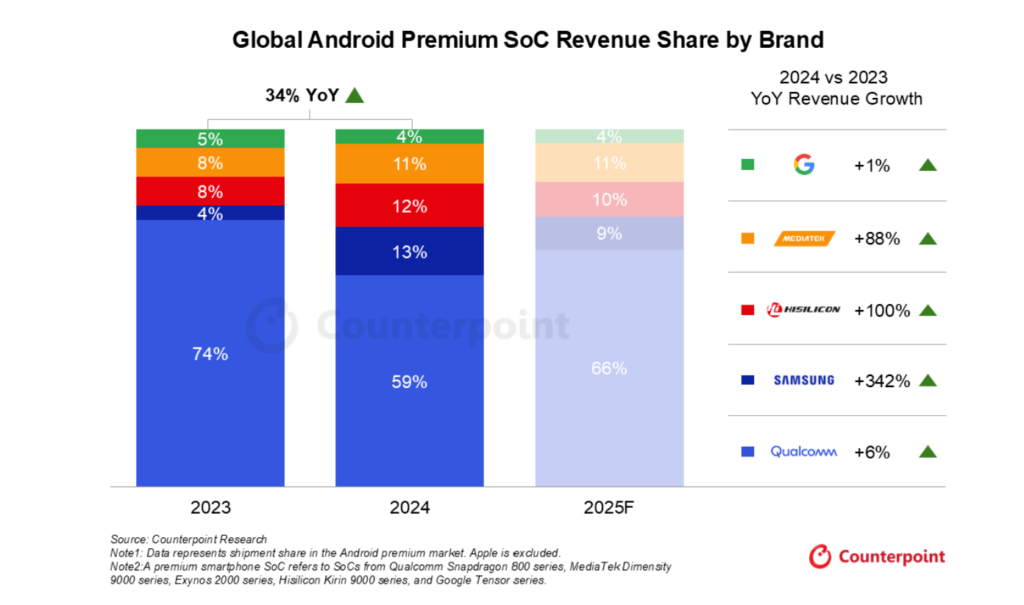
According to data from Counterpoint Research, Huawei’s chip division HiSilicon saw its revenue double in 2024, capturing a 12% share of China’s high-end market. The analyst firm predicts that by 2025 end HiSilicon will challenge MediaTek for the second-place spot, cementing itself as a top-three player in its home market.
The event highlighted NearLink, a proprietary near-field communication protocol developed by Huawei after being kicked out of the Bluetooth association. Demonstrations of a new Huawei Pencil and remote control interacting seamlessly with TVs and tablets showcased a technology that is superior to its Western counterparts in responsiveness and efficiency.
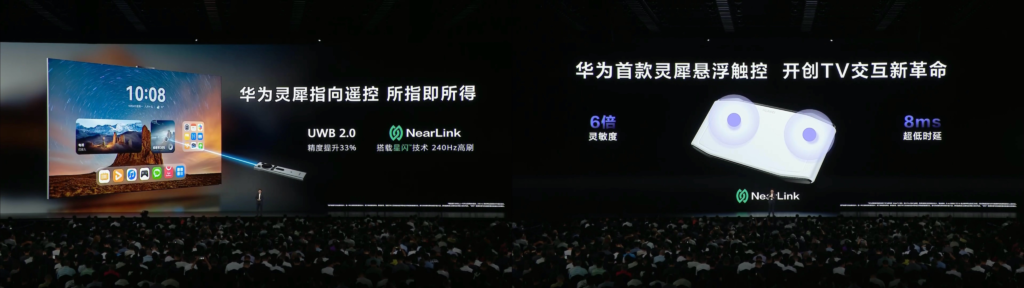
Even more impressive is Mate TV, which uses “flagship phone SoC” (Kirin 9020) which provides AI support turning the1080P Video to 4K in real time.
The Mate XTs starting at 17,999 yuan (approx. $2,480) features industry-first PC-level multi-window interaction on a phone.
IDC reports show the company commanded 75% of the Chinese foldable market in the first half of 2025, becoming the first Chinese brand to surpass 10 million cumulative foldable shipments.
With the Kirin 9020 now official.. the attention has immediately turned to its successor Kirin 9030 which is expected to power the upcoming Mate 80 series. Industry rumors suggest the Kirin 9030 may be manufactured using a 5nm process, a significant leap that would place it back in direct competition with the world’s top silicon. Leaks point to the new chip delivering major breakthroughs in processing, power efficiency, and 5G communications, with some suggesting a staggering performance increase of up to 60% compared to the processor in the Mate 60 Pro.
The US, in its arrogant attempt to assassinate a single company, has instead created a vertically integrated national champion that is now ready to systematically erase its competitors from the world’s largest market.